Amar Fal: The King Who Gave Away Immortality and Found It
The story of Raja Bharthari has been told for fifteen centuries. It has been translated from Sanskrit into English, Greek, Russian, Marathi, Brij, and Hindi. Dutch scholars attempted to decode his work in 1651. The French followed in 1670. The Germans in 1882. Philosophers, poets, and wandering saints have claimed him as their own. Yet Bharthari remains, as he has always been, a mystery — a king who walked away from everything, and in doing so, wrote the texts that taught India the meaning of letting go.
In 2010, Ideas Unlimited staged Amar Fal — The Eternal Fruit — a Gujarati play written by Bharat Naik and directed by Manoj Shah. It is the story of how Bharthari became Sant Bharthari. The transition is not gentle.
The historical Bharthari is believed to have lived in the 5th century, though scholars disagree on the exact dates. He was the elder brother of Vikramaditya, the legendary king of Ujjain whose court was home to the Navaratnas — the nine jewels of Indian intellectual life. Bharthari's close friend was Kalidas, the greatest poet in Sanskrit literature. His nephew Gopichand regarded him with devotion. He ruled a kingdom. He was, by every measure of his world, complete.
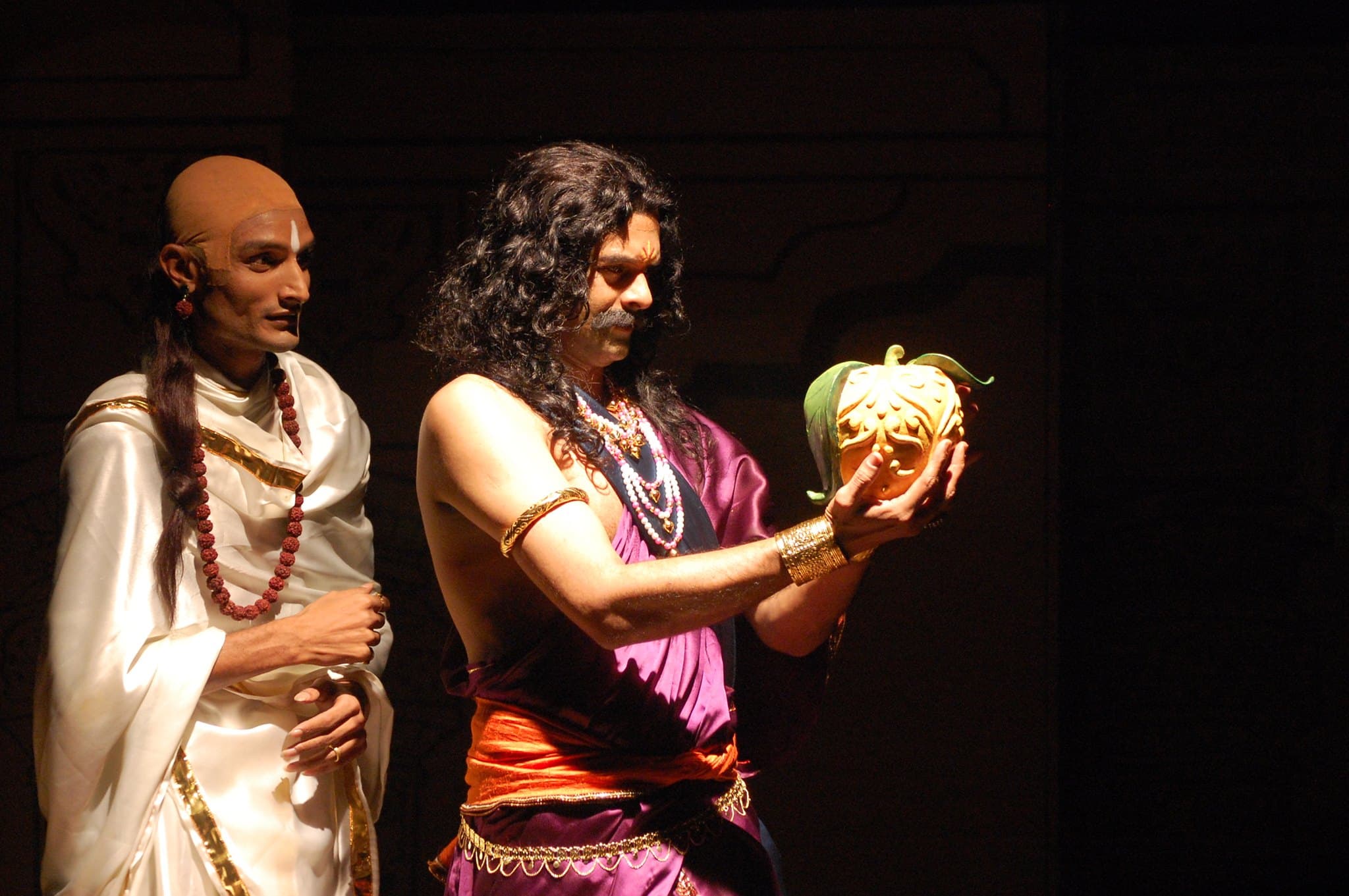
Then the fruit arrived. A Brahmin brought Bharthari the amar fal — the fruit of immortality, a gift from the gods. Bharthari, consumed by love for his queen Pingla, gave the fruit to her. He wanted her to live forever. What he did not know was that Pingla loved another — and she passed the fruit onward. It travelled through a chain of secret affections, each recipient giving it to the person they loved most, until it circled back to Bharthari himself. The fruit of immortality had exposed the mortality of every relationship he trusted.
It is one of the great betrayal narratives in Indian literature — not because the betrayal is dramatic, but because it is quiet. No one acts out of malice. Everyone acts out of love. The fruit simply reveals that love does not flow in the directions we assume. Bharthari's world does not collapse because of cruelty. It collapses because of clarity.
Bharat Naik's script traces this arc with a large ensemble cast. Dharmendra Gohil plays Raja Bharthari — the king whose transformation from sovereign to renunciate must be legible in the body before it is spoken in words. Gohil, who has played Mareez for Ideas Unlimited since 2004, brings the same internal discipline to a very different kind of disintegration. Where Mareez dissolves through addiction, Bharthari dissolves through understanding. The destination is the same — a man stripped of everything he thought defined him — but the path is philosophical rather than physical.
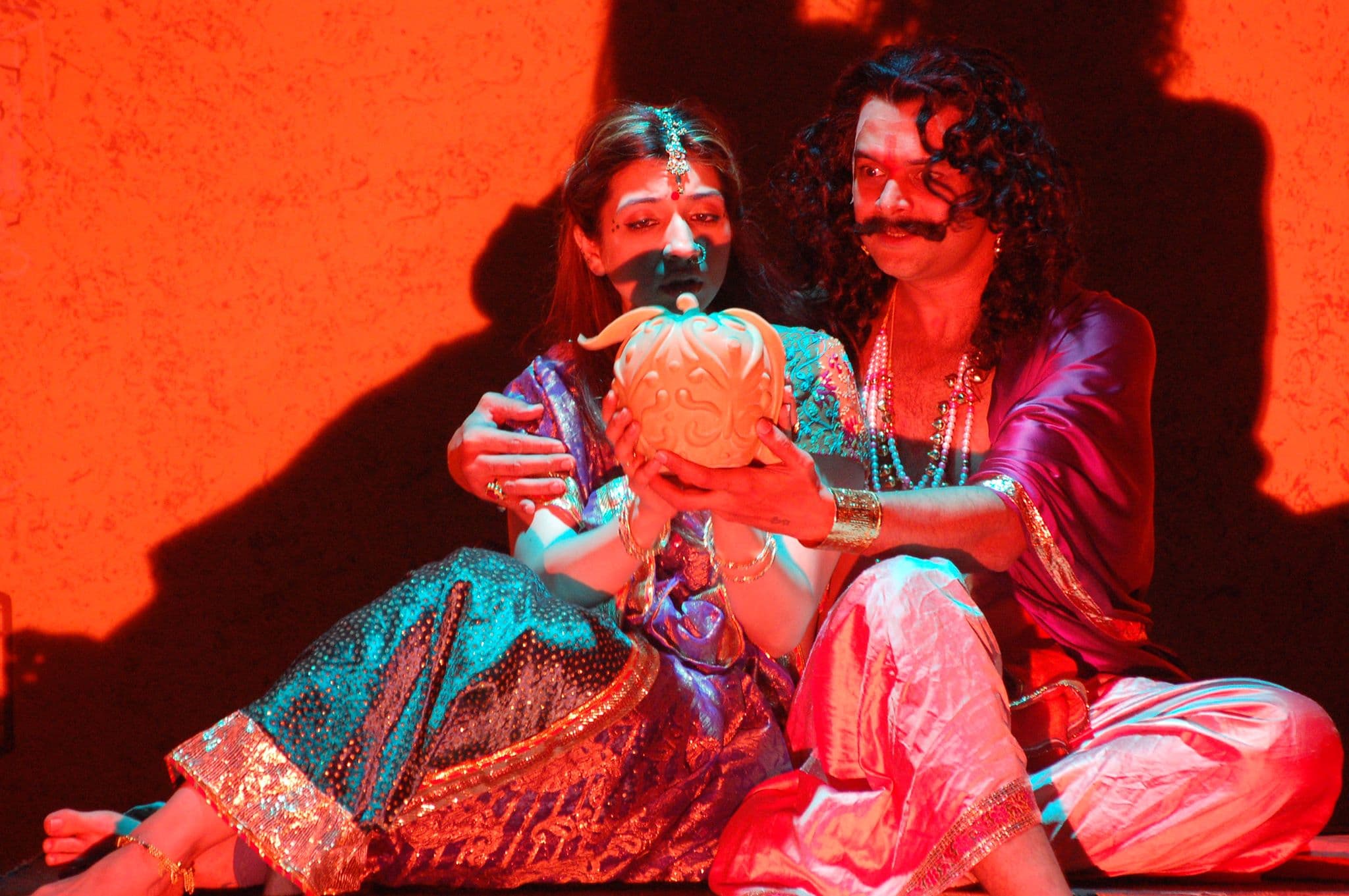
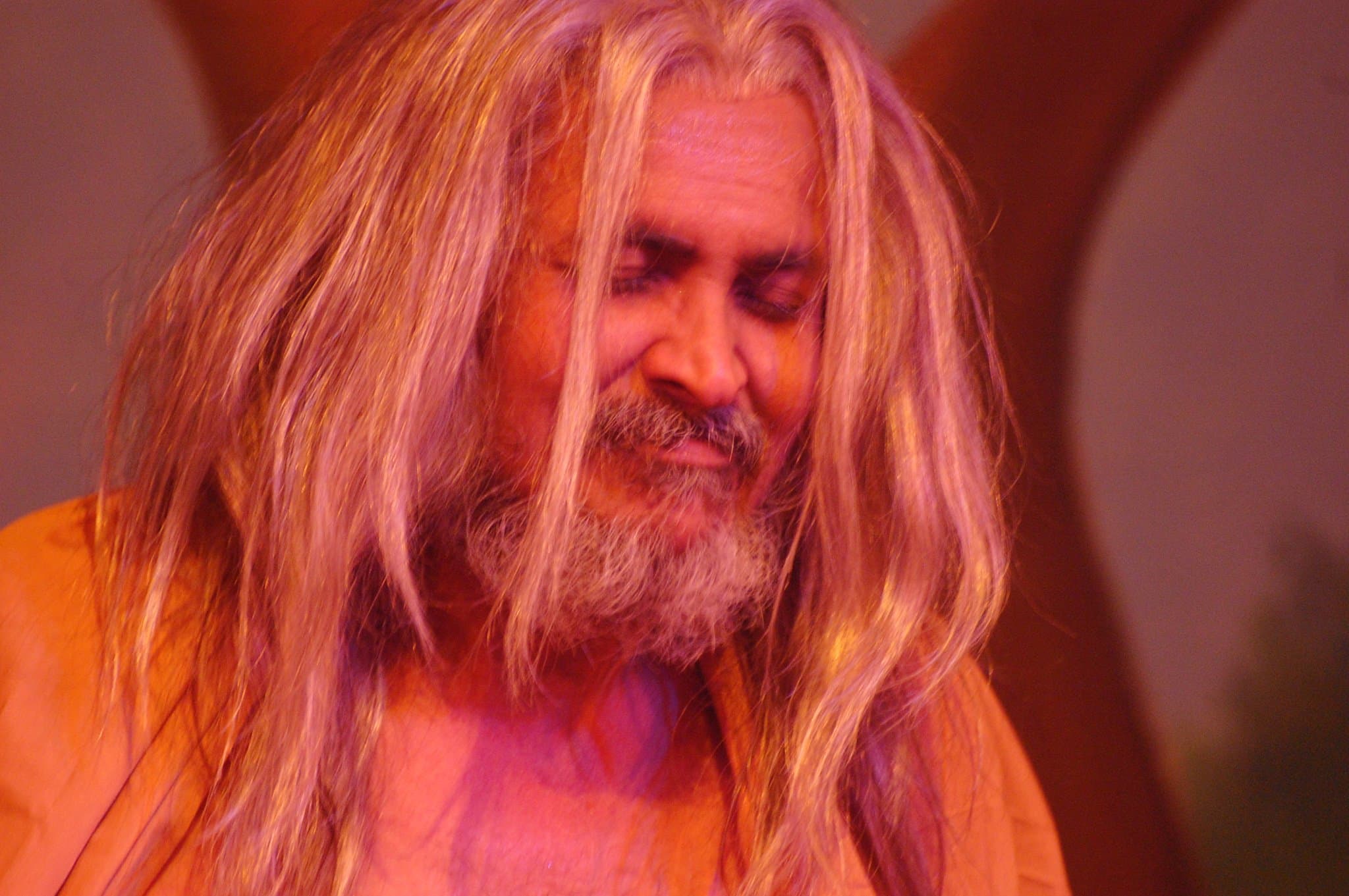
Pratik Gandhi appears as Ashwapal, years before his breakthrough in Scam 1992 would make him a household name. Vimal Upadhaya plays Vikramaditya. Sagar Rawal doubles as Brahmin and Kalidas. Manoj Shah himself takes the stage as Guruji — the spiritual guide who appears at the cremation ground where Bharthari's old self finally dies. Ahlam Khan plays Rani Pingla with the composure of a woman who knows exactly what she has done and has made her peace with it.
The production is visually rich — costumes by Rajiv Bhatt, sets by Prasad Walavalkar and Akash Naik, music by Suresh Joshi. The stage becomes Ujjain, then the forest, then the cremation ground. The journey is geographical as much as spiritual. Bharthari leaves his palace, leaves his city, leaves his name. On the burning ground, in the company of the almighty, he begins to write.
What he wrote changed Indian philosophy. The Shringar Shatak — one hundred verses on love and desire. The Niti Shatak — one hundred verses on conduct and wisdom. And finally the Vairagya Shatak — one hundred verses on renunciation. The three texts together form a complete arc of human experience: attachment, understanding, release. They are still studied, still quoted, still argued over. Bharthari did not merely abandon the world. He wrote its operating manual on the way out.
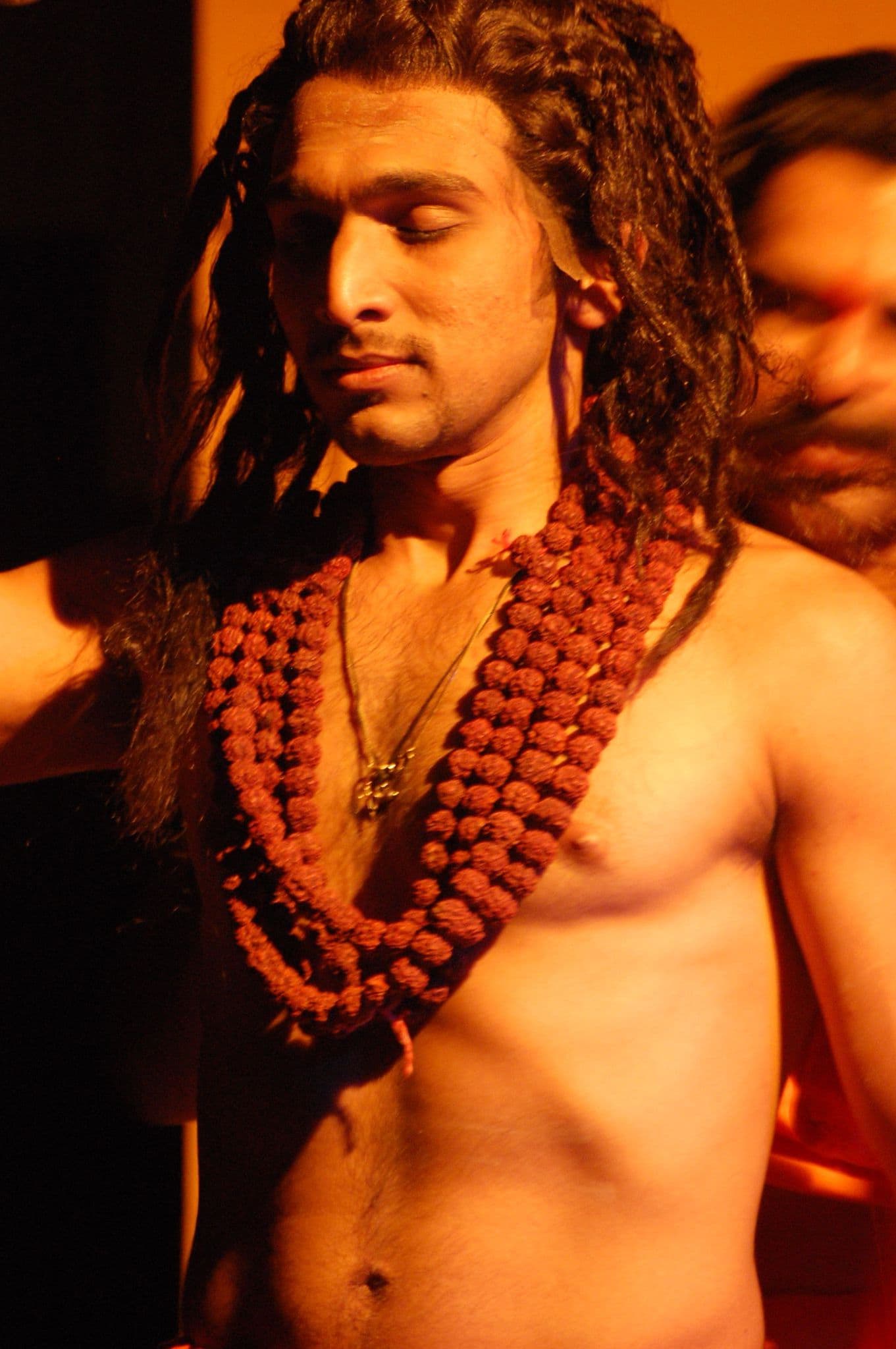
The play does not sentimentalise renunciation. It does not present Bharthari's withdrawal as noble self-sacrifice. It presents it as the only rational response to a shattering realisation — that reality, as Bharthari comes to understand it, is nothing but an illusion. The kingdom is an illusion. The love is an illusion. The fruit of immortality, passed from hand to unfaithful hand, proves that even the promise of eternity cannot survive contact with human nature.
Shah's direction holds the scale of this story without letting it become spectacle. The ensemble of eleven actors fills the stage with the colour and noise of a royal court, then empties it to a single figure on a cremation ground. The contrast is the argument. All that fullness was never real. This emptiness is where truth lives.
Amar Fal is tasting and experiencing the sweet fruit of life — that is how the production's own materials describe it. The sweetness is not comfort. It is the particular sweetness that comes from seeing things as they are. Bharthari received the fruit of immortality and gave it away. In doing so, he found something the fruit could never have given him: the understanding that nothing needs to last forever in order to matter.
.JPG&w=3840&q=75)